





THE SHIFT
Business intel for those who don’t sit behind a desk.
THE INVISIBLE BIOHAZARD
Why your "clean" studio can be secretly filthy.
The "Sponge" Effect
Let’s talk about the lie we all tell ourselves: "I wiped the station, so we’re good."
In reality, your studio is a battlefield of fluids, aerosols, and fine dust. While you’re focused on the needle or the blade, the environment around you is absorbing everything else. The biggest offender? Your clothes.
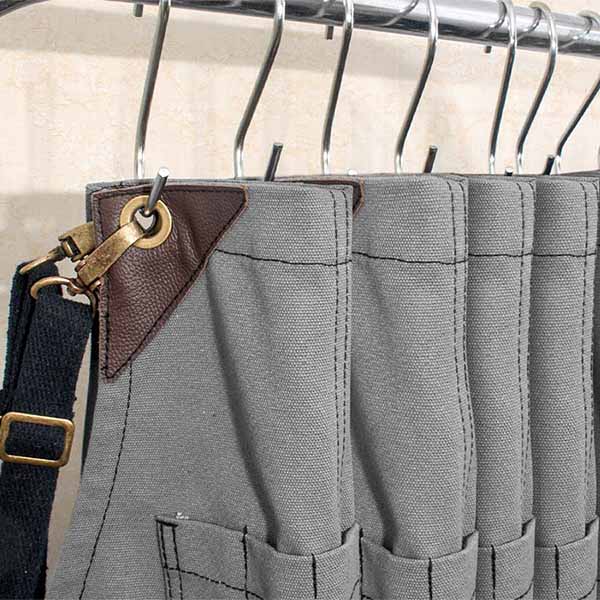
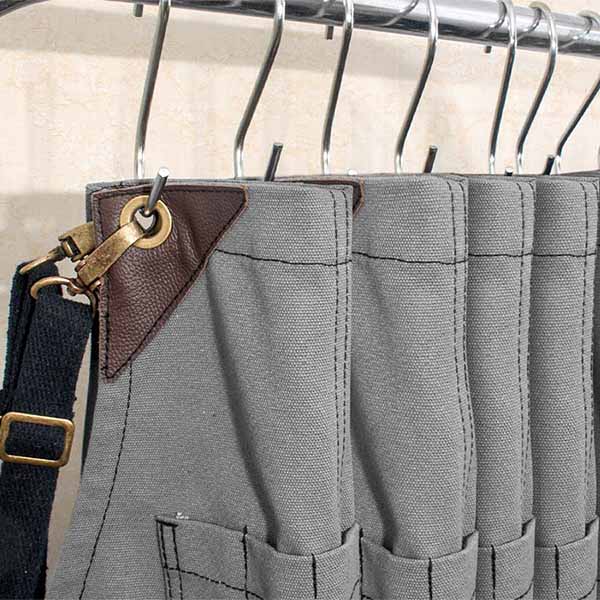
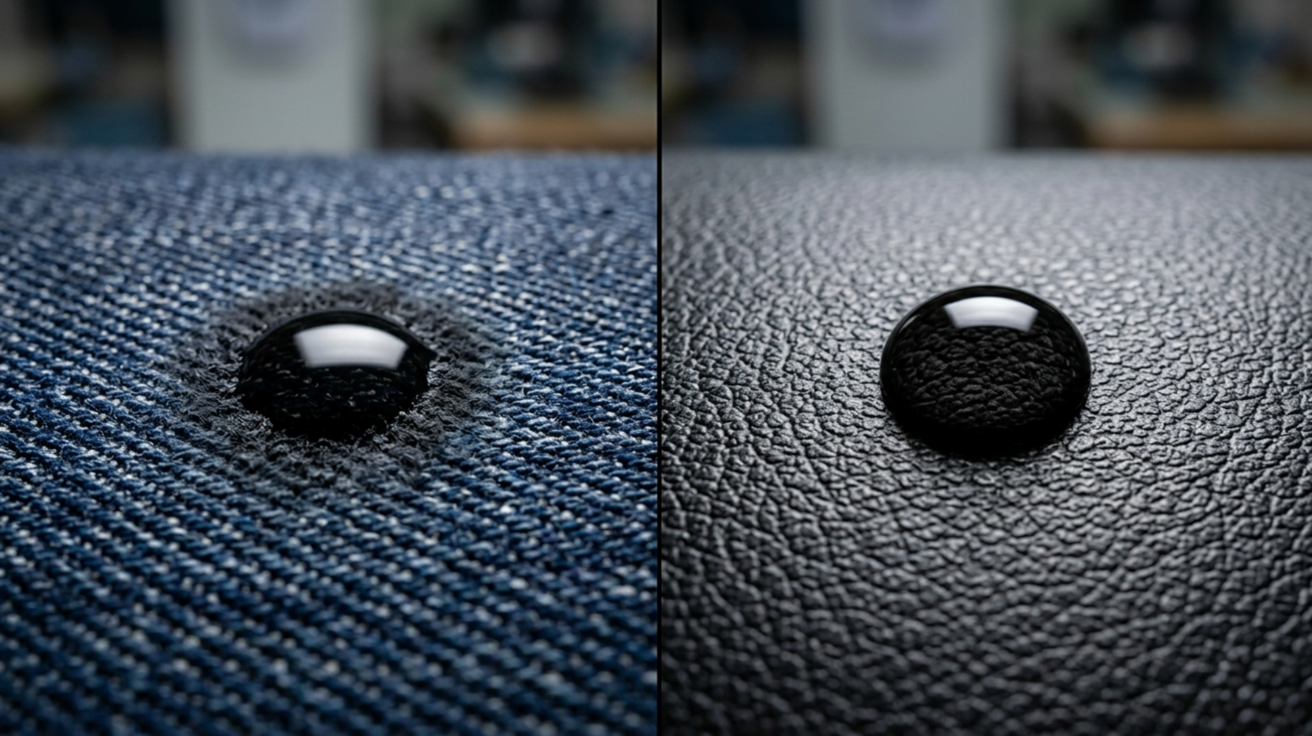
Standard organic fabrics—think that raw denim or heavy canvas we all love—are structurally porous. At a microscopic level, they are a network of tunnels designed to trap liquid. If a drop of ink or a spray of coolant hits your lap, it isn't just "on" you; it’s "in" the fibers. According to Inked Magazine’s safety guides, the primary goal of any barrier is to prevent the "soak-through" that connects a client’s fluids to the professional’s skin.
The Physics of the Seated Session
If you’re a tattooist, you spend 70% of your life sitting down. This creates a "gravity trap." Any overspray or accidental spill doesn't hit the floor; it lands in your lap.
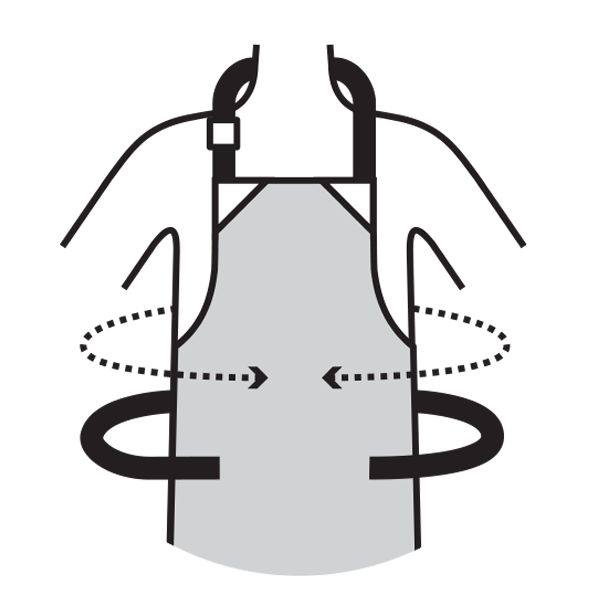
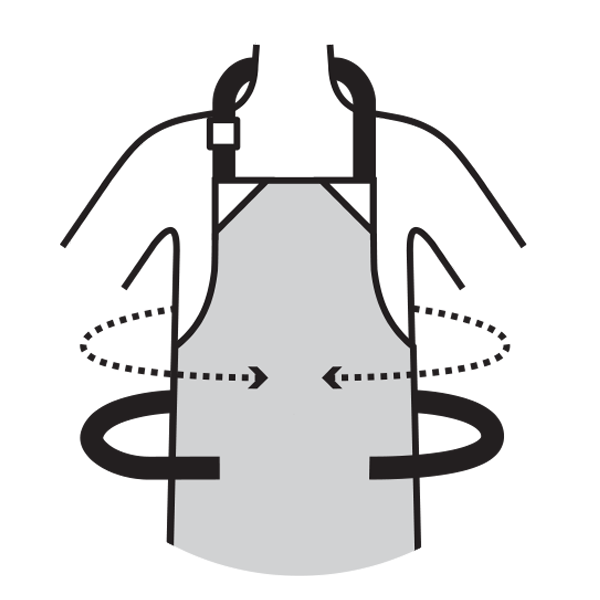
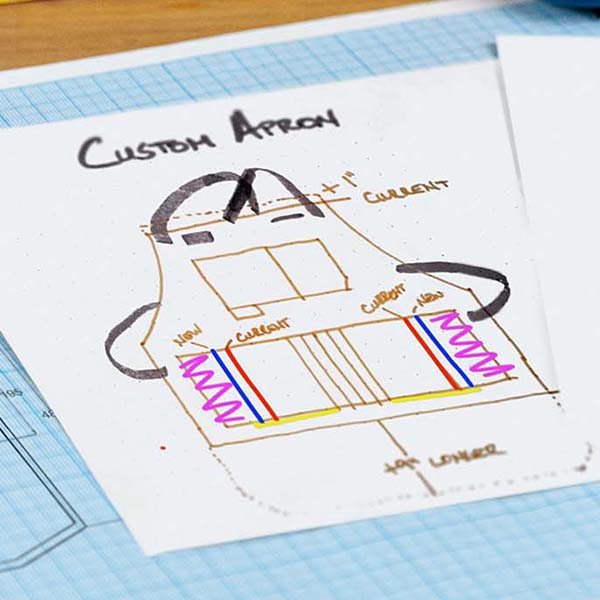
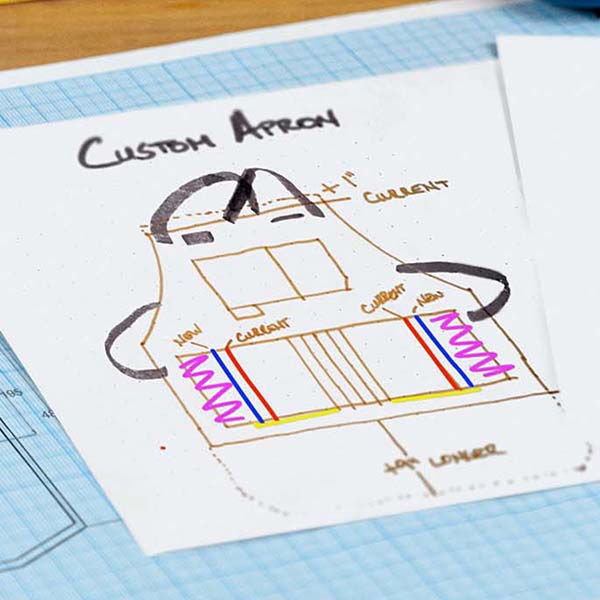
Most aprons bunch up when you sit, creating folds that act as tiny gutters for contaminants. This is why "Split-Leg" designs aren't just a comfort feature; they are a geometric solution to a hygiene problem. By allowing the fabric to lay flat against each thigh, you eliminate the "pouch" where fluids usually pool. This logic follows the CDC’s principles for environmental infection control, which emphasize eliminating surfaces where pathogens can collect.
Why "Water-Resistant" Isn't "Sanitizable"
There’s a lot of marketing fluff around "water-resistant" gear. In the real world, that usually just means a chemical coating (like DWR) that wears off after five washes.
For a professional, the gold standard isn't resistance—it’s non-porosity.
-
Porous (Bad): Denim, Canvas, Cotton. They "breathe," which means they also "inhale" pathogens.
-
Non-Porous (Good): PU Leather, Vinyl, Coated Twill. Fluids sit on top.
The real test? Can you hit it with a virucide? If your workwear can’t survive a wipe-down with medical-grade disinfectants without degrading, it’s not professional gear—it’s a costume. High-tier shops are moving toward materials that handle the same chemicals used to clean the station, a standard often highlighted in Total Tattoo’s technical features.
The Verdict
The "Shift" in the industry is moving away from the "gritty, dirty shop" aesthetic toward a "clinical, high-end studio" reality. Clients are smarter now. They notice the difference between a pro who wears their work home on their clothes and a pro who maintains a hard barrier between their craft and their life.
FAQ: Studio Hygiene & Gear
Q: Can’t I just wash my denim apron every night? A: You can, but standard laundry cycles don’t always hit the temperatures required to kill bloodborne pathogens. Furthermore, the more you wash organic fibers, the more they "open up," becoming even more porous over time.
Q: What is the best way to sanitize PU Leather gear? A: Use an EPA-registered disinfectant wipe. Avoid soaking the straps if they are made of cotton; focus on the "splash zone" of the apron body.
Q: Does "non-porous" mean it’s hot to wear? A: It can be. That’s the trade-off. However, modern professional gear uses "breathable" backing or split designs to allow airflow without compromising the front-facing barrier.
Q: Why are split-leg aprons better for tattooing? A: They prevent the fabric from bunching in your lap while seated, ensuring that the barrier stays flat against your legs and doesn't create "gutters" for ink or fluids to collect in.
The Big Idea: Your studio is only as sterile as its weakest link. Don't let your gear be the thing that carries a biohazard from Client A to Client B.



Deixe um comentário