









THE SHIFT
Business intel for those who don’t sit behind a desk.
Beyond the Wheel: Why Professional Pottery Equipment is Your Most Underpaid Employee
There is a specific kind of frustration that only happens at 2 PM on a Tuesday when your "budget" gear fails.
Whether it’s a wheel that won't calibrate or an apron that’s soaked through to your jeans, sub-par equipment is the silent killer of studio momentum. In our workshop, we’ve always believed that your gear shouldn't just protect your clothes; it should protect your workflow.
The shift from "maker" to "business owner" happens the moment you stop looking for the cheapest option and start looking for the tool that helps you work 40+ hours a week without breaking.
1. The Physics of the "Split-Leg"
If you spend your life at the wheel, you know the "apron bunch." Standard aprons ride up, leaving your knees exposed to clay spray and water. This isn't just a mess—it’s an interruption.
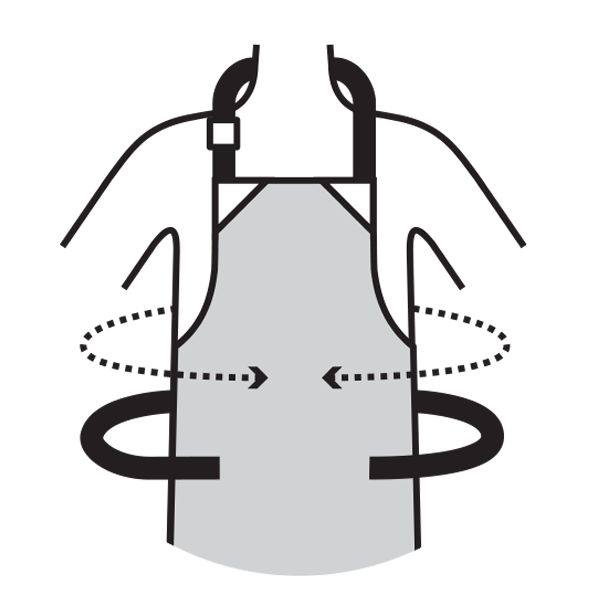
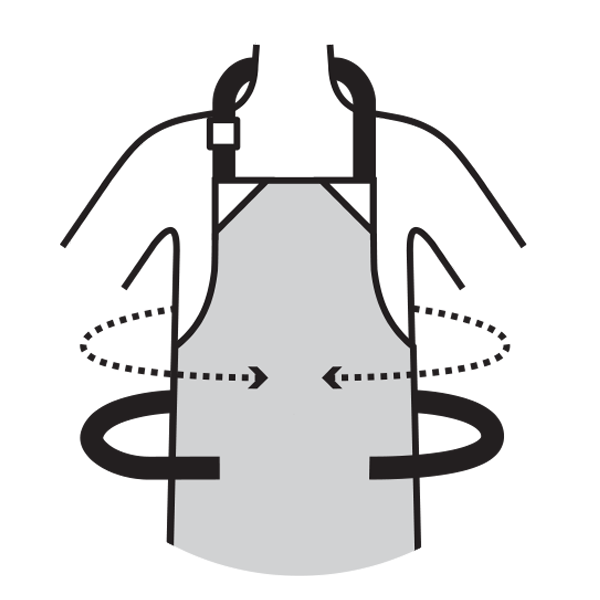
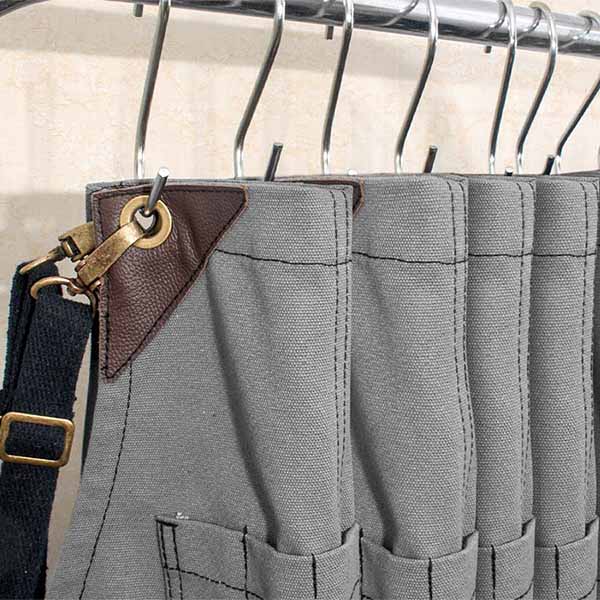
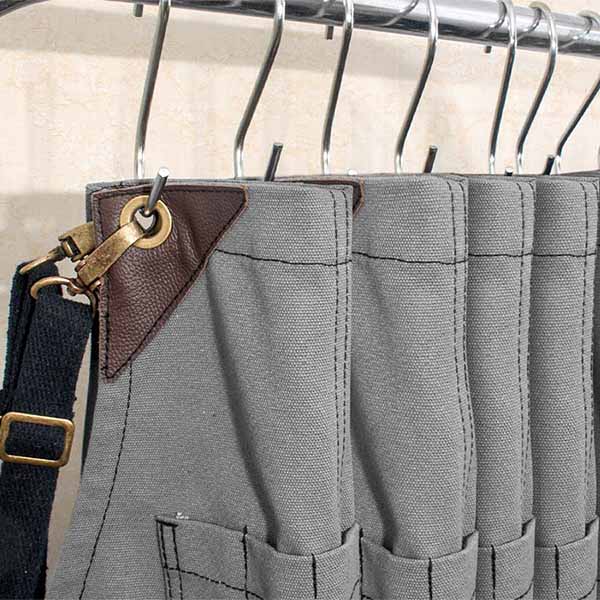
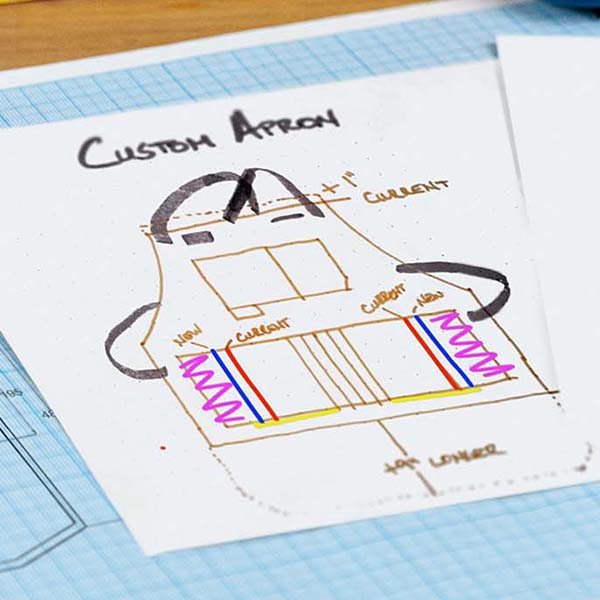
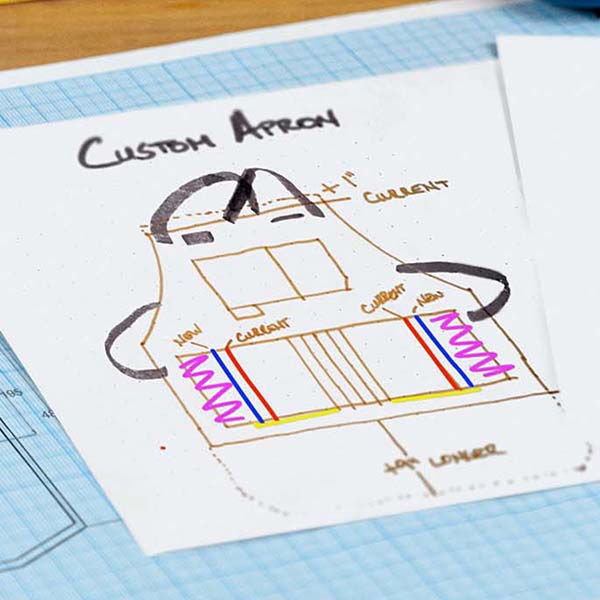
We designed our 53” full-coverage pottery apron specifically to solve this. By using independent leg panels, we ensured that the wheel can spin and the clay can fly while you stay dry. It’s about ergonomic tools that move with you, not against you. When you aren't fighting your clothes, you’re making better work.
2. The Logic of the Experts
We were recently honored to be featured by The Studio Manager—one of the most respected authorities in the ceramics world. They included us in their "Top Picks: Gifts for Potter and Ceramic Artist" and their dedicated tool reviews.
But here’s the thing: they weren't looking at the aesthetics. They were looking at the build. Professional ceramicists don't have time for gear that doesn't perform. Being the "choice of experts" isn't just a badge for us; it’s proof that trade-grade equipment is a requirement for anyone looking to scale their production.
3. The Math of Ergonomics
Why does this matter for your bottom line? Because "Maker’s Burnout" is real. Statistics in industrial design suggest that specialized workwear can reduce "micro-stresses"—those tiny physical adjustments you make to compensate for poor gear—by up to 15% over an 8-hour shift.
The ROI: 15% more physical energy doesn't just make you feel better; it makes you more productive. Better gear equals more pieces on the kiln shelf at the end of the week.
4. Buying Once vs. Buying Weekly
In the business of clay, your equipment is an asset on your balance sheet. We see many artists spend hundreds of dollars a year replacing "affordable" gear when one serious investment would have lasted five years.
If your gear doesn't have the durability to survive a professional review, it probably doesn't belong in a high-volume studio. Stop treating your equipment like a consumable and start treating it like a partner.
The Big Idea: You don’t have to take our word for it—the experts at The Studio Manager have already done the testing. Investing in professional-grade tools is a signal to yourself (and your customers) that your craft is a serious enterprise.
What’s one piece of gear in your studio that you finally upgraded and realized, "I should have done this years ago"? Let us know—we're always looking for the best tools of the trade.





Leave a comment (all fields required)