






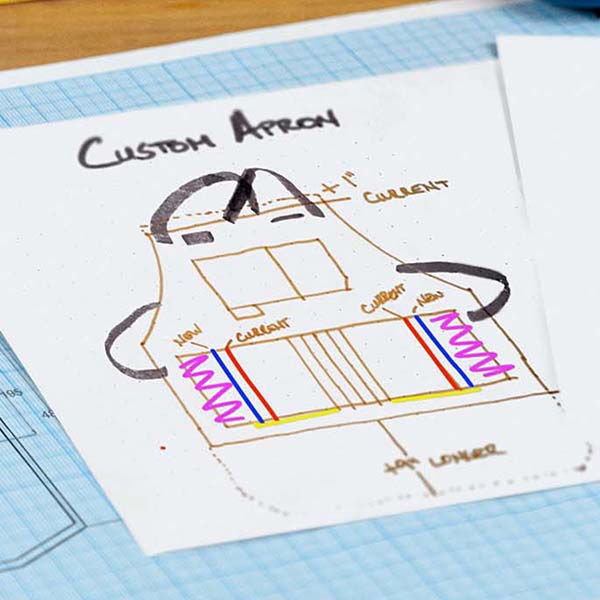


The Ultimate Shield for the Modern Shop and Kitchen
By the end of a Friday night shift, your clothes tell the brutal story of every spilled cocktail, stray hair clipping, and hot oil splatter you couldn’t dodge. If you are relying on a flimsy cotton apron to absorb the chaos of a high-volume kitchen or a packed shop—and constantly cycling through different leather apron styles just to find one that survives the week—you are effectively wearing a sponge. You don't need another layer of laundry; you need a non-porous shield that deflects the mess and respects the physical demands of your craft.
The Science of the Surface
For chefs, bartenders, and hairstylists, spills aren't accidents—they are an occupational guarantee. Organic fabrics fail because they are hydrophilic; they absorb liquids and hold them against your body.
A high-grade professional leather apron flips the physics. Thanks to the natural surface tension of properly conditioned hide, liquids simply bead up and roll off. Whether it’s a splash of boiling broth, a dropped shot of espresso, or a heavy splash of hair developer, leather acts as definitive water-resistant workwear, providing an impenetrable barrier. According to the CDC’s guidelines on occupational skin exposure, preventing prolonged dermal contact with wet or chemical agents is critical for long-term health. With leather, a quick wipe-down with a damp cloth resets your gear to zero, saving you hours of heavy laundry cycles and keeping you dry through a double shift.
Killing the Neck Strain with Cross-Back Ergonomics
The biggest complaint about traditional leather workwear? The weight. A heavy strap hanging off the back of your neck for ten hours is a fast track to cervical spine compression and chronic fatigue.
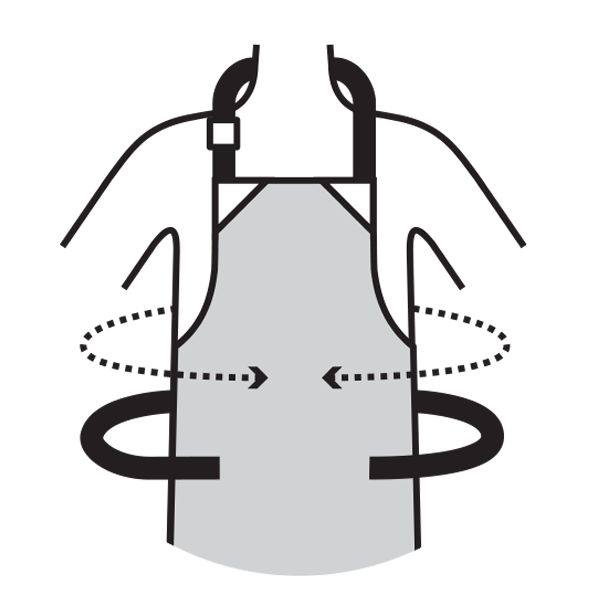
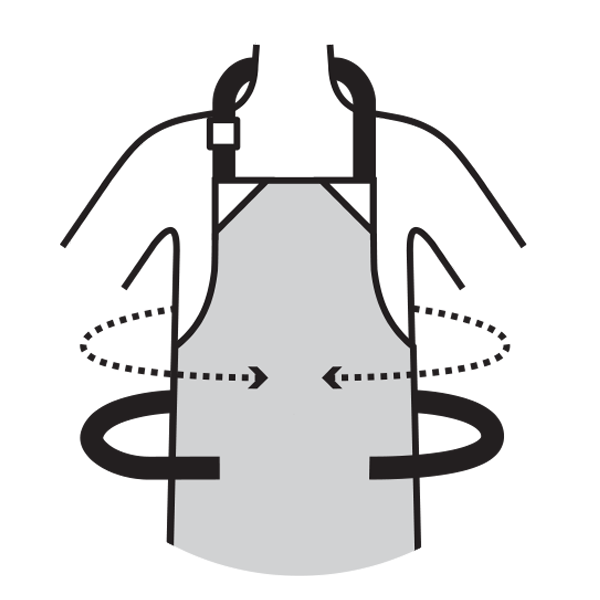
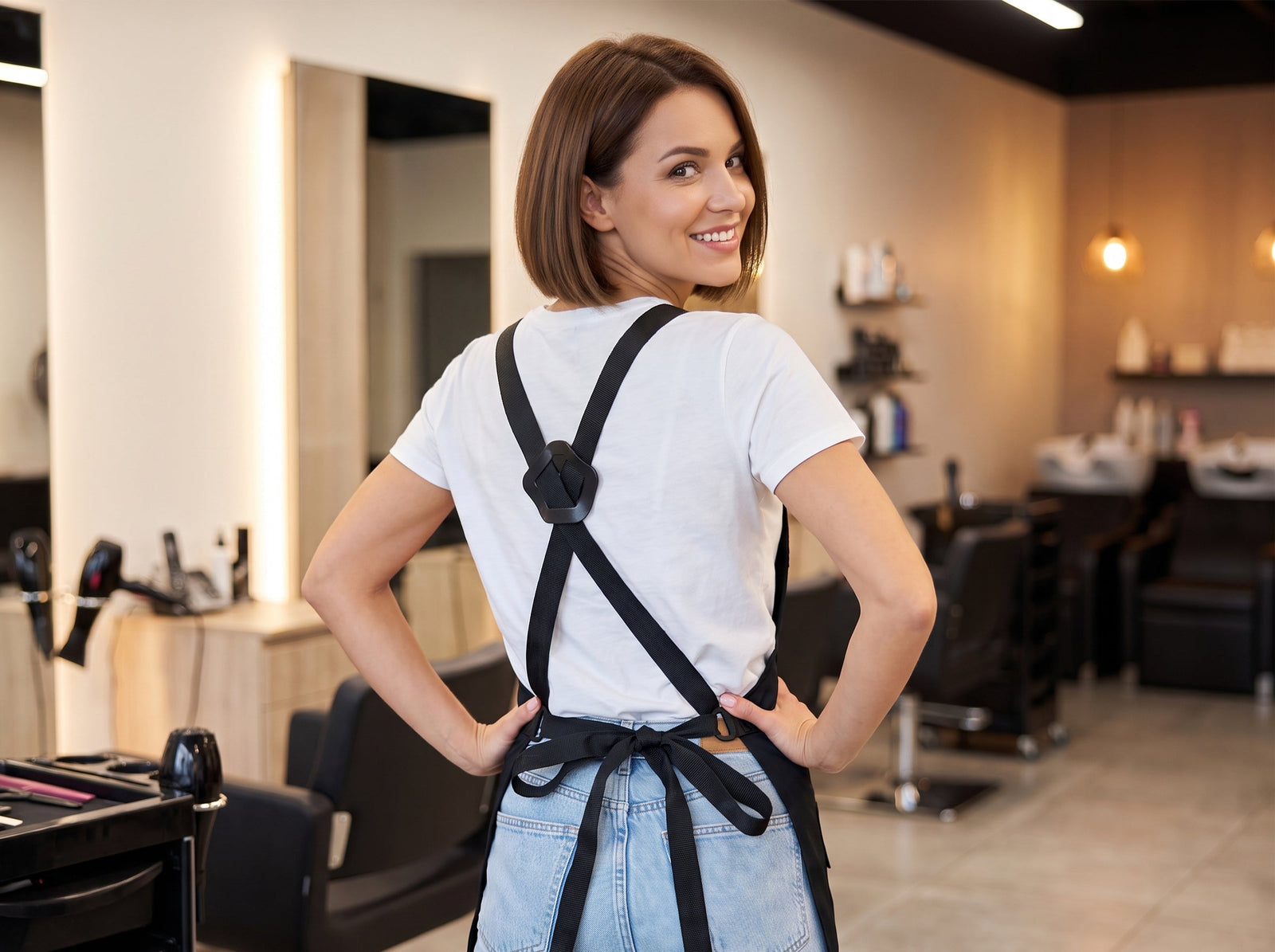
This is where structural design separates the amateurs from the pros. Upgrading to a cross-back leather apron shifts the weight entirely off your neck and distributes it evenly across your shoulders and upper back. By aligning with OSHA’s ergonomic guidelines for preventing musculoskeletal disorders, cross-back straps turn a heavy-duty garment into a comfortable, second-skin fit that you’ll forget you’re wearing.
Mobility & Maintenance: The Split-Leg Advantage
Protection shouldn't cost you your agility. If you’re a barista bending down to grab a milk jug, or a barber pivoting around a chair, a stiff, flat-front apron will restrict your movement and ride up your waist.
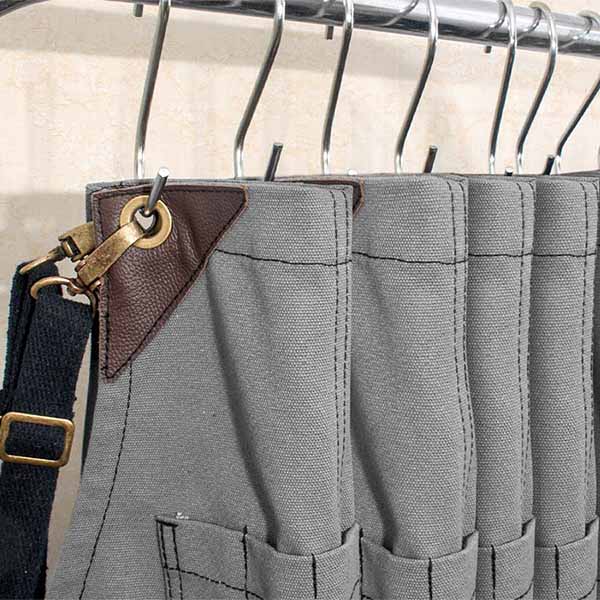
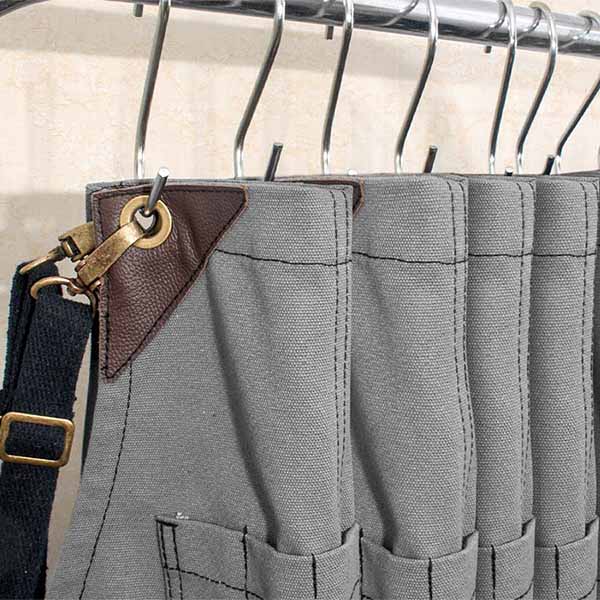
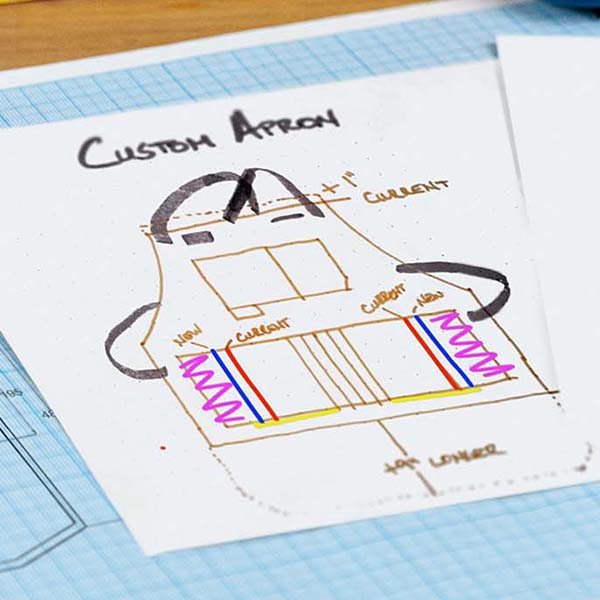
A split-leg design instantly solves this friction. It allows each leg to move independently, granting you full range of motion without sacrificing thigh protection. Pair that with detachable leather straps, and you have a modular system: you can easily unclip the hardware for deep cleaning or swap out straps if they ever wear down, ensuring the main body of the apron lasts for decades.
The Bottom Line
Leather isn't just about timeless style; it's about unapologetic functionality. It signals to your clients that you take your craft seriously, and it signals to your body that you value your longevity. Stop replacing cheap fabric month after month. Upgrade your daily armor with our full-size split-leg leather aprons and build your uniform around gear that actually works as hard as you do.
FAQ: Leather Workwear Specs
-
Aren't leather aprons too hot for a kitchen or busy shop? While leather is an insulator, high-quality hides breathe naturally. Because they deflect hot liquids and radiant heat—rather than absorbing them like wet cotton—they often keep you safer and more comfortable during high-intensity service.
-
How do I clean a leather bartender apron after a shift? Zero washing machines required. For daily maintenance, simply wipe the surface with a damp cloth. For heavier grease or syrups, use a mild leather soap and buff dry.
-
Will a leather apron restrict my movement? Not if it's built correctly. Look for a split-leg design that allows each leg to move independently, and cross-back straps that prevent the apron from riding up when you bend or reach.
-
Why are detachable straps important? Detachable straps extend the lifespan of your gear. They allow you to remove the hardware for easier conditioning of the hide and let you replace just the straps years down the line, rather than buying a whole new apron.




Leave a comment (all fields required)